Hybrid work, energy efficiency, dual-living potential, and transport proximity. The six features driving real price premiums, and three renovation traps to avoid.
Selling agents will tell you buyers have changed in 2026. That much is true. Most advice stops at "present your home well" and leaves the specifics to your imagination. Here's the more useful version, drawn from what buyers are actually paying extra for this year — and why.
The Context Buyers Are Operating In
Before getting to the features, the context worth knowing:
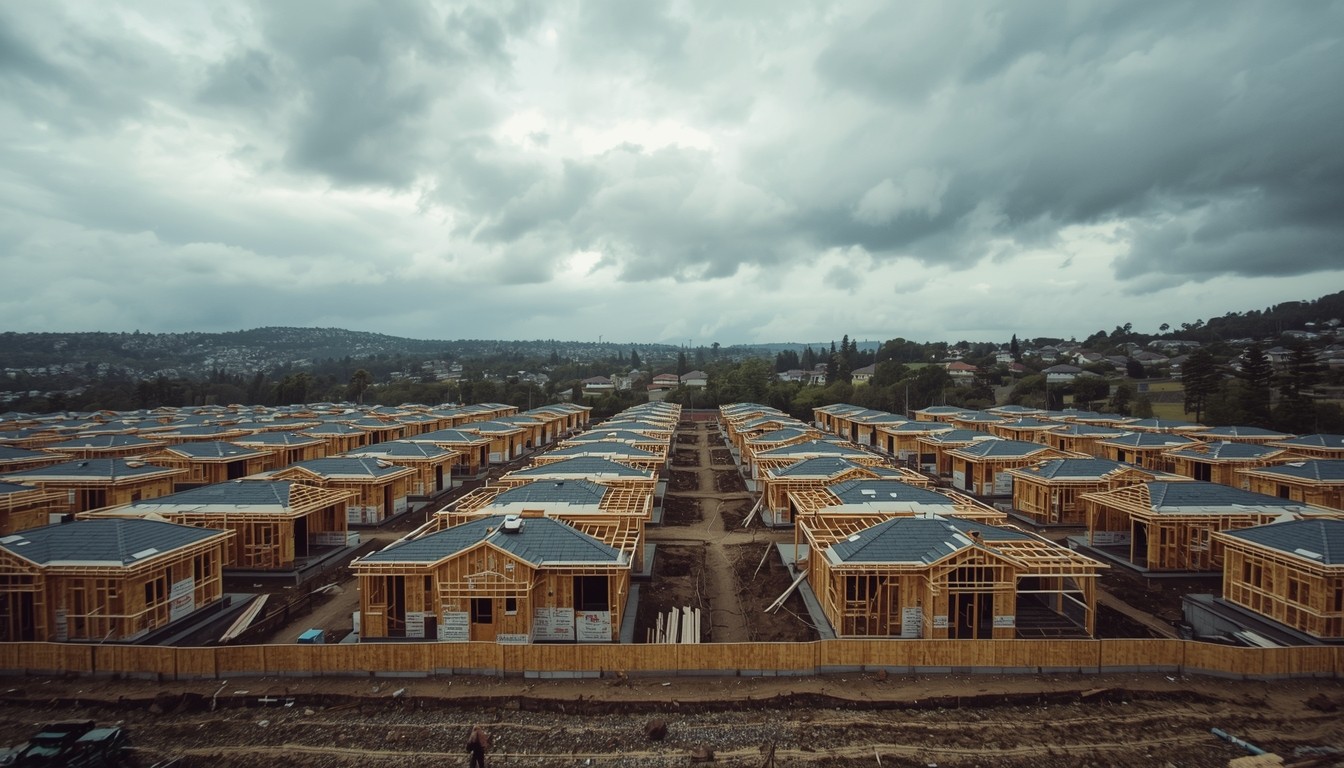
The RBA cash rate sits at 4.10% following back-to-back hikes in February and March 2026. APRA tightened its cap on high debt-to-income loans from 1 February, further reducing borrowing capacity for stretched buyers. Construction costs remain elevated, and the supply of trades is tight. Energy bills are materially higher than they were two years ago, and buyers have noticed.
What this means: buyers are more selective than they were in 2023, more reluctant to take on renovation projects, and more willing to pay a premium for a property that requires nothing and saves money to run. That's the filter every buyer is applying right now, consciously or not. Sellers who understand it have the advantage.
Six Features Earning Clear Premiums Right Now
1. A dedicated home office that isn't a converted bedroom.
Hybrid work has consolidated into permanent behaviour. Buyers with professional incomes want a space they can close the door on — ideally with a window, decent light, and acoustic separation from the rest of the home. A spare bedroom styled as an office reads differently to a buyer than a spare bedroom with a bed in it, even though the room itself is identical. If your home has a study, present it as a study. If it has a bedroom that could function as one, stage it that way for inspections. The cost to style is small. The perceived value lift is disproportionate.
2. Dual-living or granny flat potential.
Domain's search data showed granny flat-related terms among the most-searched property features in Sydney through 2025, and the trend has strengthened. The drivers are multigenerational living (aging parents, adult children who can't afford to move out, extended family arrangements) and the income potential of a self-contained second dwelling. Properties with a downstairs flat, separate entrance, or even council-approvable granny flat potential are attracting measurable premiums. Self-contained with kitchenette and separate bathroom is the strongest version. Even "could fit one" adds value if the block supports it.
3. Genuine energy efficiency — not symbolic sustainability.
Solar panels, high-performance insulation, and double glazing now register as running-cost reducers in a buyer's mental math, not as lifestyle virtue signalling. With electricity prices where they are, a home that costs $2,000 less per year to run is worth tangibly more than the otherwise-equivalent home next door. If your home has these features, make sure the listing highlights them specifically, with numbers where possible. A "6kW solar array" sells better than "solar panels installed." If your home doesn't have them, the return on installation before sale is usually not worth it — but the return on clearly documenting existing systems absolutely is.
4. A move-in ready condition with no obvious renovation calls.
Buyers in 2026 are specifically reluctant to take on projects. Construction costs are up materially since 2022, trades are hard to secure, and lead times on kitchen and bathroom renovations have extended. The premium for presentation-ready homes has widened against the discount for renovation-needed homes. This doesn't mean you need to renovate before selling — that math usually doesn't work — but it does mean addressing obvious maintenance items (fresh paint, working appliances, tidy landscaping, no broken fittings) produces a disproportionate return. The buyers looking at renovation projects have largely moved to the next price bracket down.
5. A practical, flowing floor plan — especially one that reads "functional" in photos.
Well-designed homes with considered layouts are outperforming larger homes with awkward or dated plans. This is partly about hybrid work (you need usable spaces, not one big open-plan everything), partly about resale thinking (buyers can see themselves living there), and partly about photography (what reads well on a listing portal). If your home has a good flow, presentation should emphasise it — photograph the transitions between spaces, not just the rooms themselves. If the flow is compromised, consider minor layout adjustments before listing: removing a piece of furniture that bottlenecks a room, relocating a rug to open a passage.
6. Proximity to transport — specifically rail or Metro, specifically walkable.
This one is the most durable. Sydney buyers consistently prioritise transport access above parking, above block size, above many other features sellers emphasise. Walking distance to a train or Metro station is the single most durable resale premium in the Sydney market. If you have it, make sure it's in the first line of your listing description, not buried. "Seven-minute walk to Cherrybrook Metro" works harder than any other single descriptor for a property that genuinely has it.
What Isn't Earning the Premium People Think It Is
Three things sellers frequently over-invest in pre-sale, where the return doesn't materialise:
High-end kitchen renovations — unless the existing kitchen is genuinely dated or dysfunctional, a full renovation rarely returns its cost. Cosmetic updates (benchtop replacement, new handles, repaint) almost always outperform gut renovations at resale. The buyer is going to have their own taste anyway.
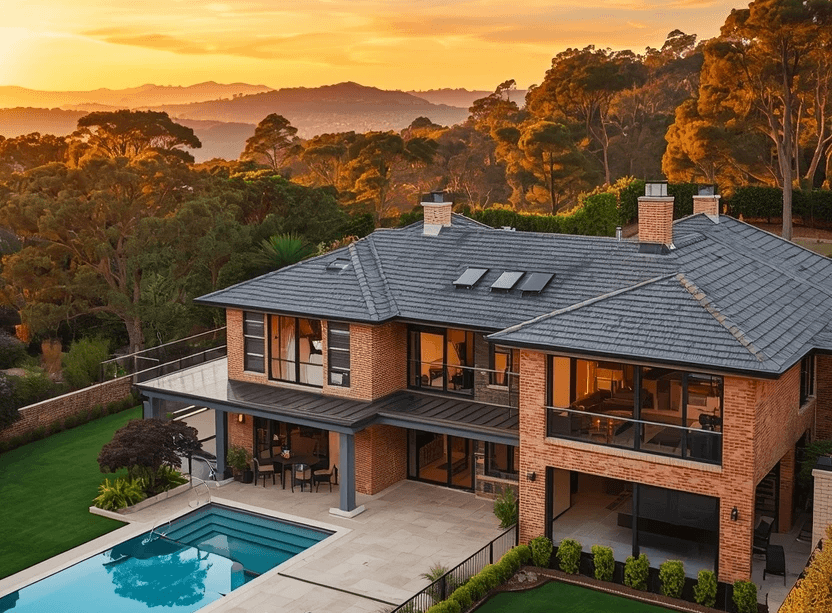
Pools. Depending on the suburb and demographic, pools can be neutral or even slightly negative — sellers who assume a pool adds significant value are frequently wrong in 2026. Maintenance costs have increased, and some buyers actively discount pool properties. Pools work in specific contexts (family homes in warmer suburbs, prestige positioning) and fail in others.
Luxury bathroom finishes in middle-market homes. A $40,000 bathroom renovation in a $1.5M home rarely returns $40,000. A $15,000 refresh of the same bathroom frequently returns $25,000 in perceived value. Scale to the property.
Practical Application
If you're thinking about selling in the next 6–12 months, a useful pre-sale audit against the above:
Do you have a dedicated home office space, or could you stage one? Worth setting up 4–6 weeks before listing.
Is there granny flat / dual-living potential you haven't documented? Worth confirming with council and noting explicitly in listing material.
If you have solar or efficient features, do you have the numbers to include in the listing? Worth gathering now.
What's on your maintenance list that's been sitting for a while? Worth addressing before buyers see the home, not during.
How does your floor plan photograph? Worth a trial walkthrough with a camera before the professional photographer arrives.
None of this is urgent. None of it is the kind of decision that needs to happen this week. But if you're planning to list in late 2026 or into 2027, the preparation that produces the best outcomes starts earlier than most sellers realise, and it's specifically the preparation that aligns to what current buyers are actually paying for.
Accurate Pre-Sale Assessment
We assess properties against current buyer preferences and actual recent comparable sales — not generic market advice. Honest read on where your property sits, what's worth addressing before sale, and what isn't.
No cost, no obligation, no pressure to list.
→ Maaz Goda: 0415 783 924 | maaz@maazgoda.info | maazgoda.info
Haedam Lee
Business Development & Marketing